In the middle of the last century, some developer converted farmland in southeast Michigan into a suburban neighborhood of similar (but not identical) single-family residences. They turned and churned the soil that once grew crops and covered it with sod. They lined the streets with young silver maple trees.
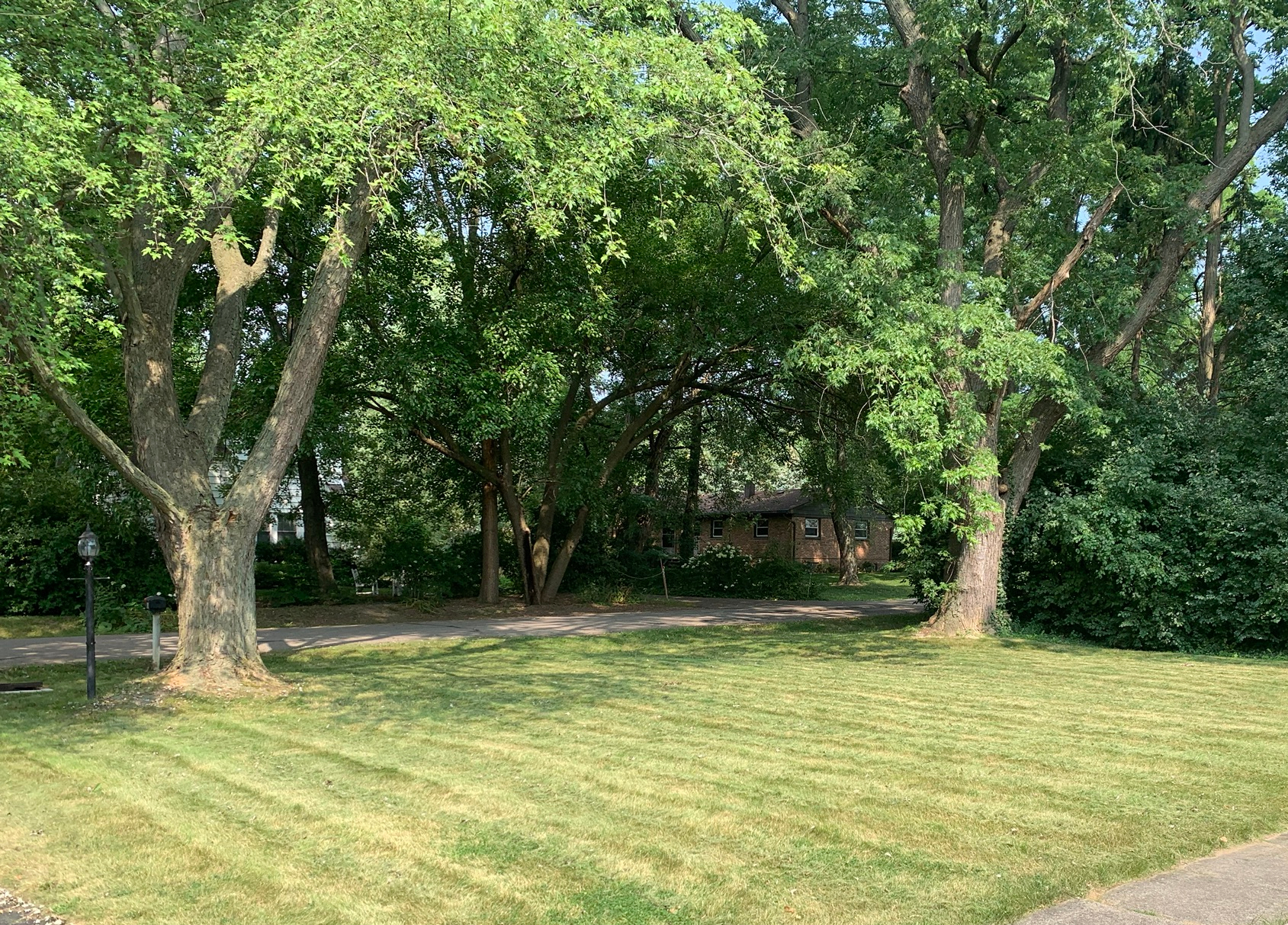
A local couple (let’s call them Don and Betty) got married in 1956 and bought one of these new houses the same year. They stayed in that home for the rest of their lives. While Betty gardened and Don mowed the lawn, the silver maples grew.
Don died in 2015, and Betty died in the spring of 2021. That summer, I happened upon a house for sale with mature silver maples lining the front yard. I bought that house, reeling from the good luck of finding a home under the shade of full grown trees.
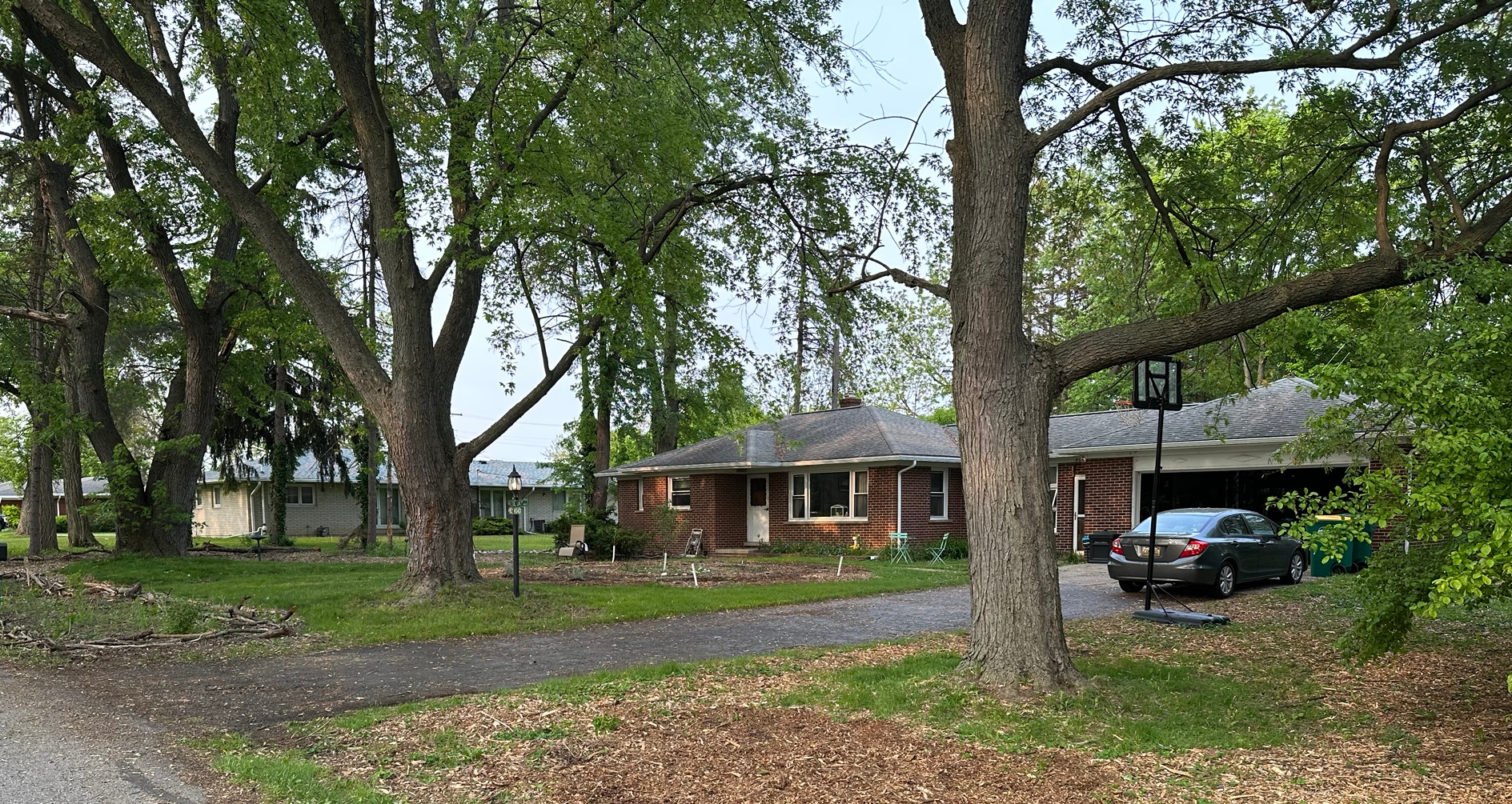
Silver maples grow quickly, as much as four times the speed of a white oak. The 1950s developer chose trees that would provide shade, structure, and charm to the neighborhood within a few years, rather than a few decades.
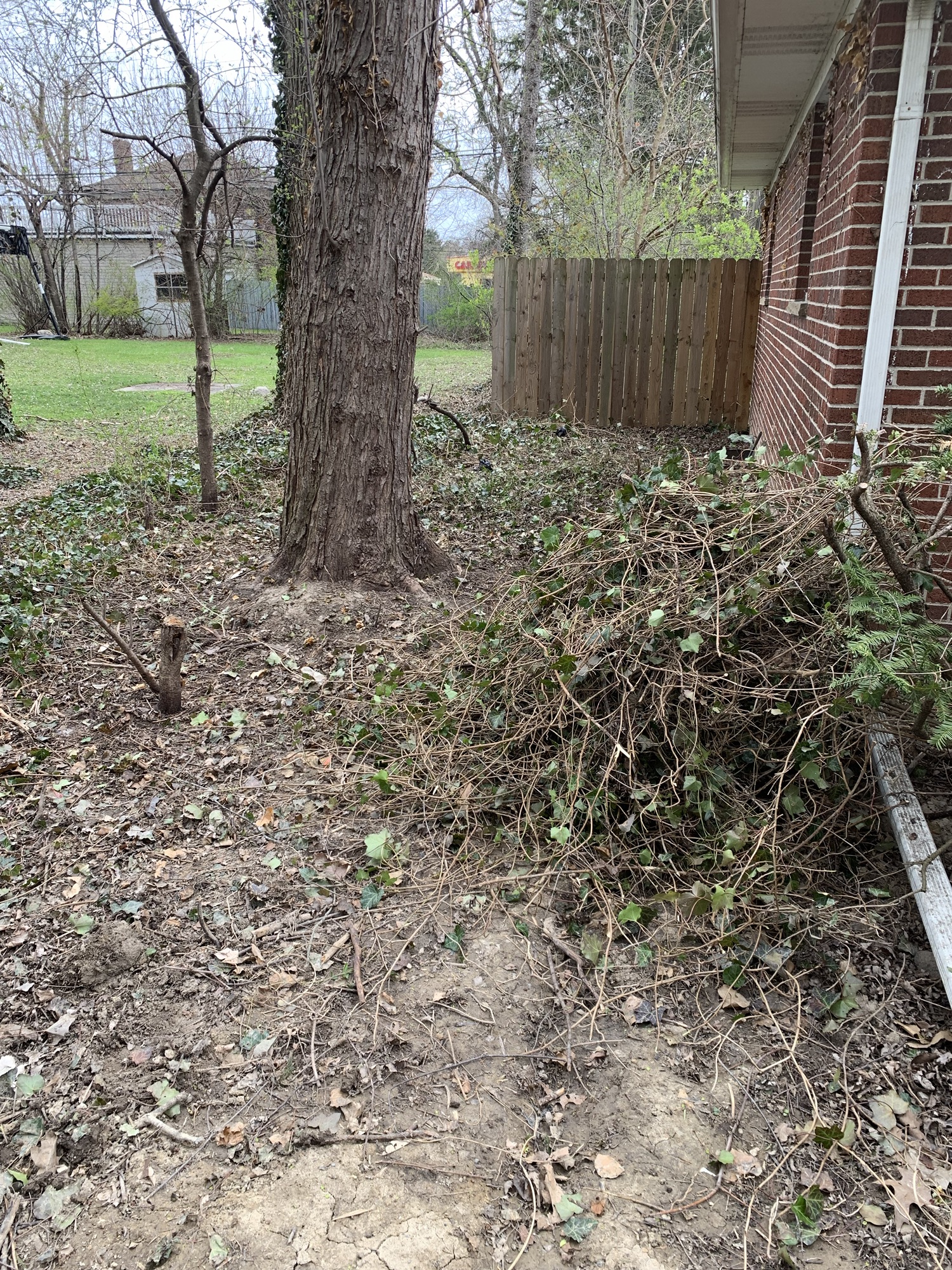
The high-speed growth comes at the price of fragility. Silver maple branches, which reach and stretch far from their trunk, are known to snap in storms. The bark will fall off in half-cylinder chunks, leaving debris strewn across the lawn. For this reason they are not considered a “good idea” by modern landscapers, despite being native trees.
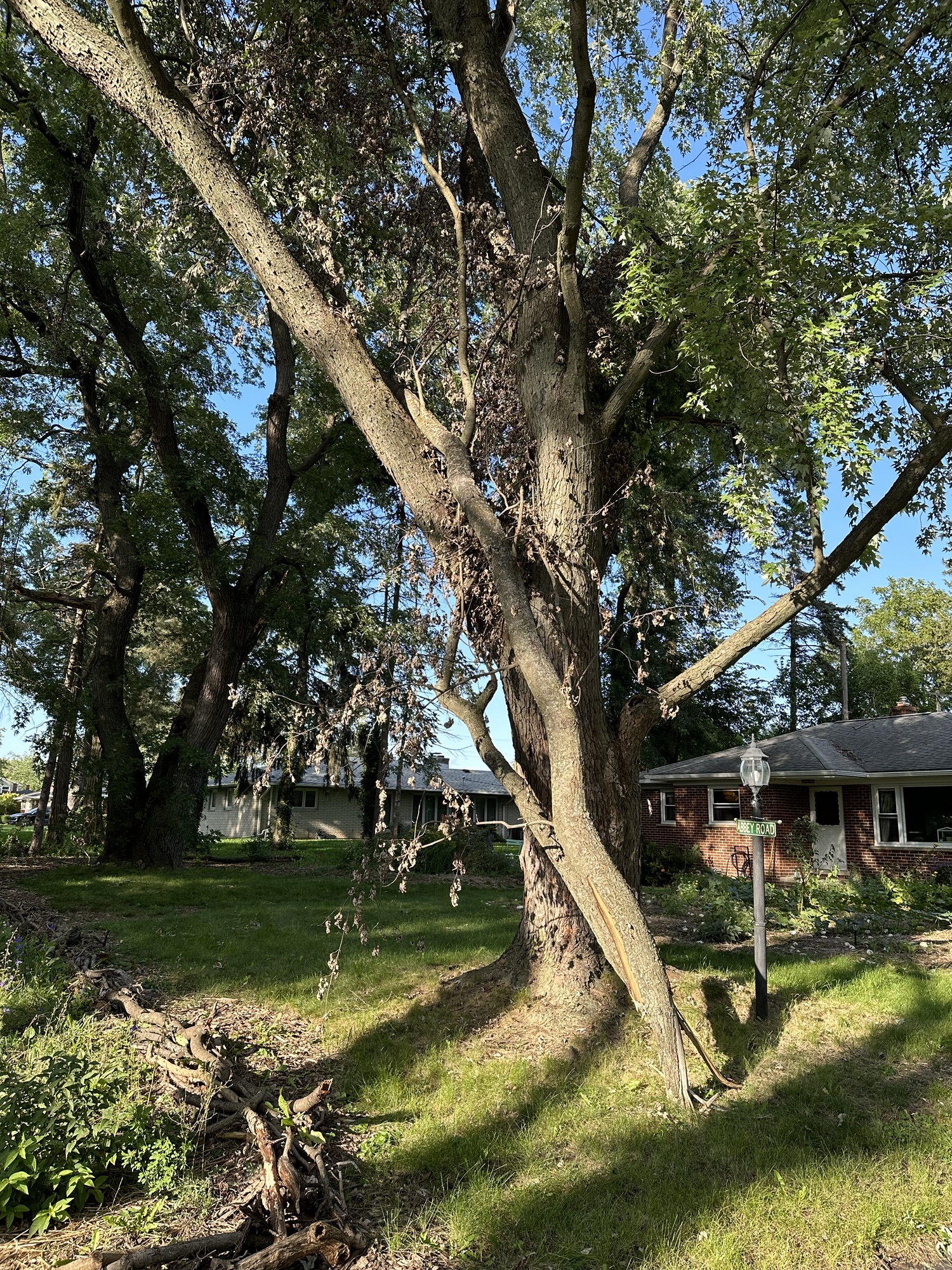
The silver maples in my neighborhood are past their prime. Some, like mine, lose a few branches in big storms. Others, like the neighbors across the street, lose a lot of branches in mild winds. A big storm in 2023 took out an enormous branch from the center of one of my silver maples. It rested semi-horizontally in the canopy for months, until a second storm tipped it down to the ground. In what can only be explained as a miracle, the branch landed in the least-damaging, least-obstructive manner, casually leaning against the tree until we were ready to take it down.

In addition to weak wood, the neighborhood silver maples are consistently afflicted with tar spots. Supposedly you can avoid these fungal polka dots if you remove all fallen leaves before the fungal spores spread to new leaves in the spring. This isn’t worth the effort, since (1) the spots don’t really affect the health of the tree, (2) even if I removed my leaves, the spots would easily spread from neighboring trees, and (3) I value the leaf litter (for wildlife and mulch) more than I value pristine green leaves.
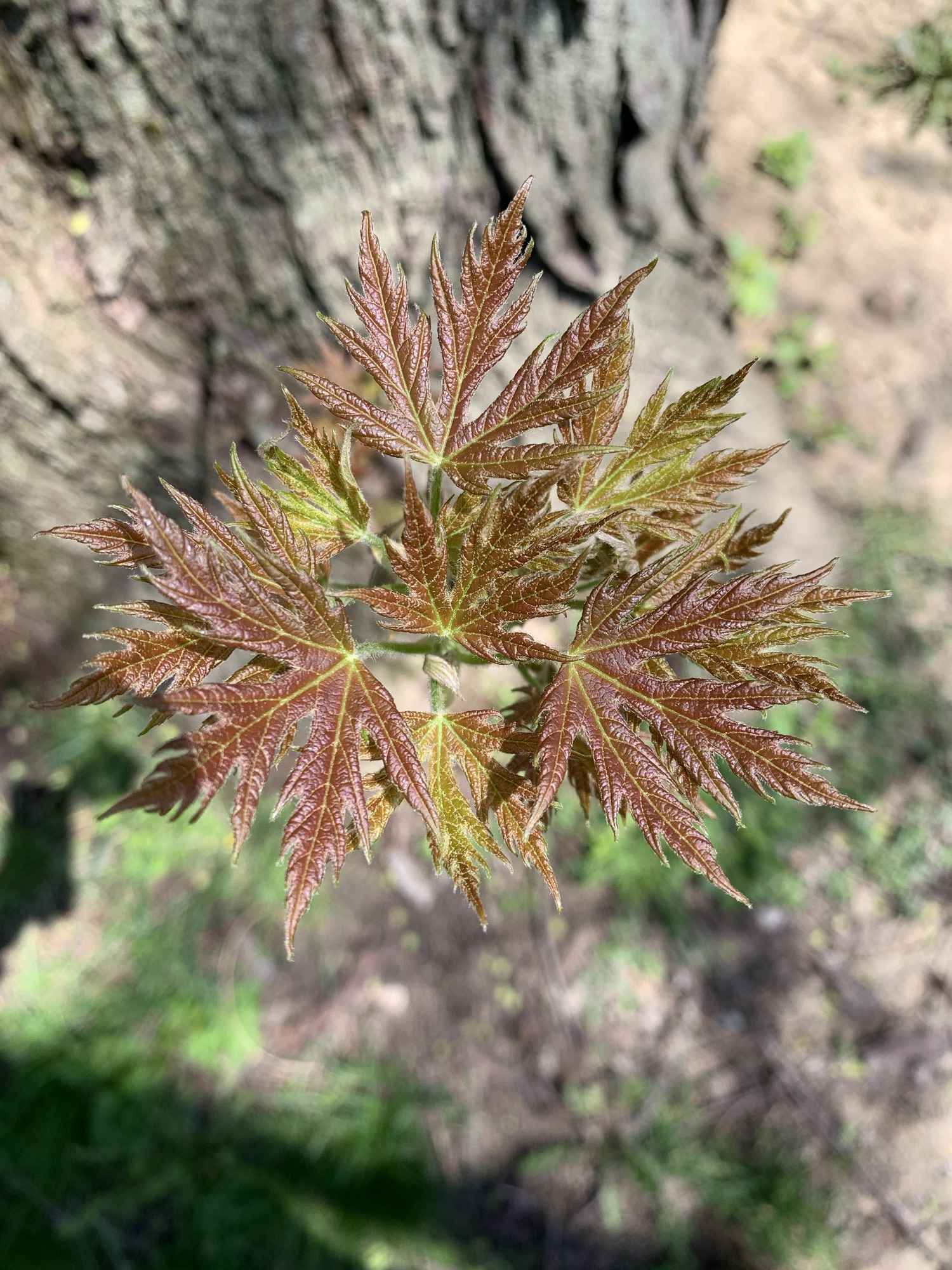
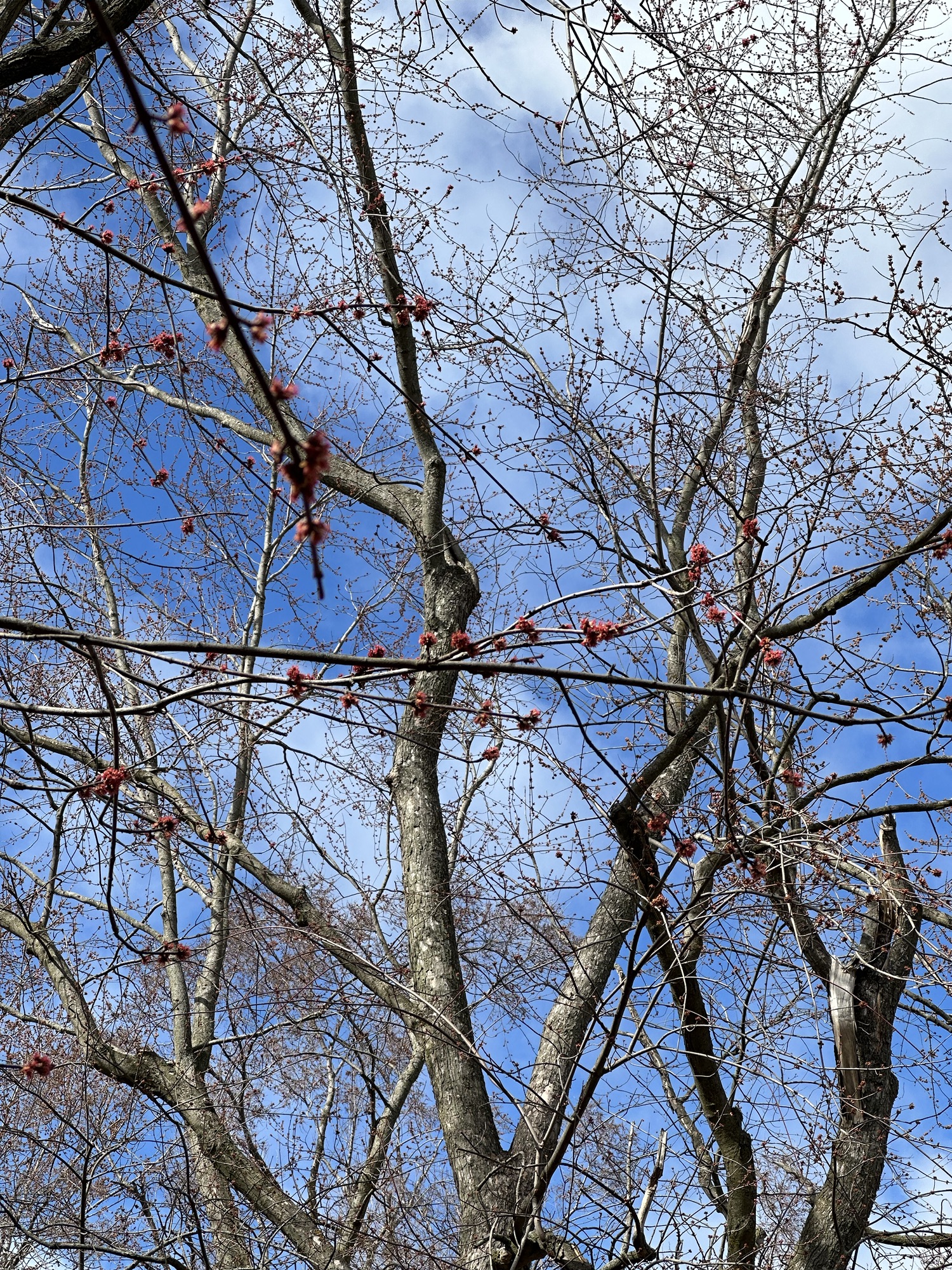
Several neighbors have entirely removed their silver maples. I don’t expect mine to live forever, but I believe they have good years left in them. I don’t want to look at my trees and think only of their expiration date. They are beautiful trees! They create a canopy over my street. They provide shade on hot days. They feed and house woodpeckers, squirrels, and hundreds of other birds and bugs. In the spring, the branches bud with red clusters, signaling the end of winter. In the summer, brown helicopters twirl to the ground, resting until they reemerge as thousands of eager seedlings. In the fall, the leaves turn gold and litter the lawn with bright stars. In the winter, the bare branches scratch the skies in silent stillness, while animals and insects sleep in the deadwood branches.
I am still reeling from the good luck of good trees.

 Put It In Your Hat